

Every parent knows that helping kids maintain a balanced diet can feel like a daily challenge. As a mom myself, I’ve learned that vegetables play an essential role in mental health, physical development, and the growth of a strong immune system. But let’s be honest—getting picky eaters to consume vegetables regularly can be incredibly challenging. Our little ones need the right nutrients, vitamins, minerals, and fiber for their body, yet sometimes even the tastiest fruits, leaves, or roots don’t seem to appeal to them. Still, as parents, we do what we can—sometimes sneaking veggies into meals, following fun trends on Instagram or TikTok, and searching for creative dinner strategies that make healthy eating feel exciting for kids and toddlers alike.
Creative Strategies That Really Work
Over the years, I’ve experimented with countless techniques to get my children to eat vegetables, and I’ve realized that creativity matters more than perfection. When my babies were small, I tried the choo-choo and airplane method, turning spoonfuls of pureed veggies into playful games. As my toddlers grew, I moved to Pinterest-inspired ideas like broccoli castles—because when food looks fun, they’re more likely to try it. For older kids, the best trick has been hiding veggies in foods they already love—think smoothies, pasta sauces, or even brownies. This simple technique lets them enjoy their favorite dinners while getting all the benefits of edible plants, seeds, and other nutrient-packed ingredients.
As experts often say, building healthy eating habits takes time and patience. The key is to make every bite count without turning mealtime into a battle. Instead of pressuring kids, encourage them with fun food experiences and positive reinforcement. Use these tips as part of your family’s nutrition plan—offering variety, making food visually appealing, and keeping mealtime stress-free. Little by little, your kids will learn to appreciate their servings of veggies, and you’ll feel confident knowing they’re on a path toward better health, steady growth, and lifelong healthy development.
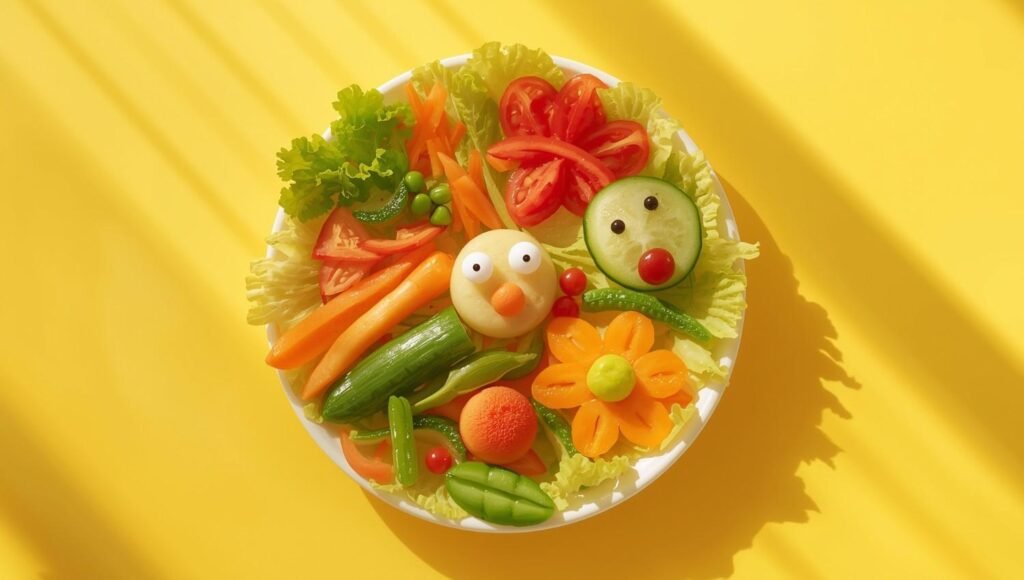
Rethink the Plate: What Smart Parents Aim For
When I first spoke to a registered dietitian, I realized most families (mine included!) were serving the wrong proportions of food to their kids. The Food Guide recommends the classic plate method—for adults, that’s half veg, one-quarter carb, and one-quarter protein. But for children, the rule is a little different. They need more energy, so aiming for one-third protein, one-third starch, and one-third fruit or vegetable is ideal.
Here’s an easy way to follow the rule of threes in daily meals:
- Serve at least three types of foods per meal: protein, starch, and fruit or vegetable.
- Add snacks in between meals for sustained energy.
- Offer a variety of foods—from whole grains to fresh produce—to make the plate colorful and appealing.
This small change helped me balance nutrition without stress and gave my kids steady energy throughout the day.
Let Them Be the Boss: Involve Kids in Food Choices
One of my favorite nutrition hacks for busy families is giving my child a simple choice. Let them pick between carrots or green beans, peas or broccoli, or even decide if they want cooked or raw vegetables. This tiny bit of control at family meals makes a big difference—kids feel heard and become more open to trying new things.
Try these at your next dinner:
- Ask kids which veggies they want to add to the meal.
- Let them help prepare or serve dishes.
- Encourage them to make fun combinations—like broccoli with pasta or carrot sticks with hummus.
When children help make the decision, they’re far more likely to enjoy the food and see healthy eating as something fun, not forced.
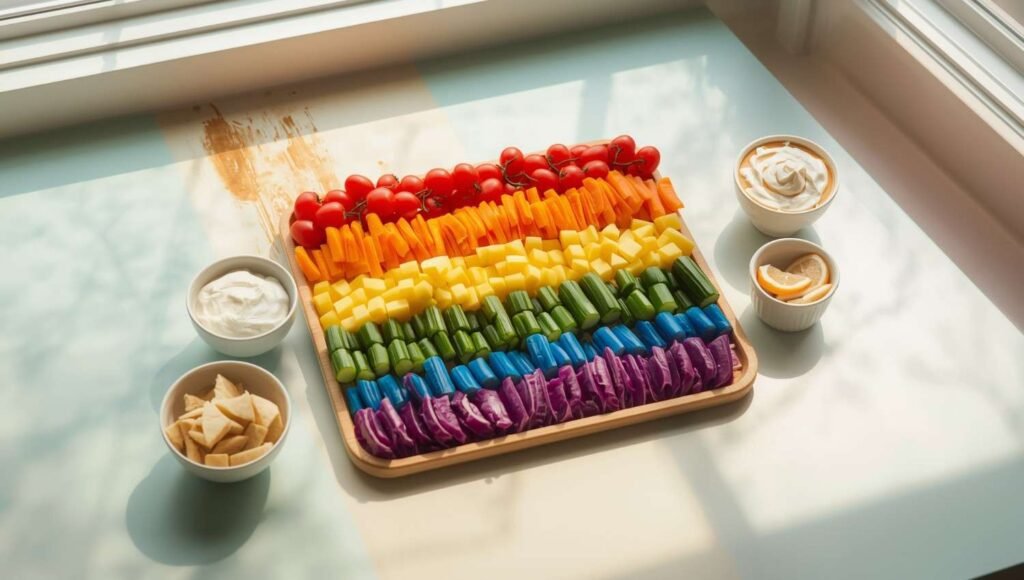
Make Veggies Fun Again: Pair with Flavorful Dips
Sometimes vegetables can feel a little dull to kids, but giving them something to dunk their veggies into makes all the difference. I’ve found that simple pairings make food more flavorful and enjoyable for little eaters.
Fun dip ideas:
- Hummus or tzatziki for carrots and cucumber sticks
- Peanut butter on celery for a crunchy, appealing snack
A small bowl of dip turns an ordinary veggie tray into a fun, colorful experience that even picky eaters look forward to.
Keep It Familiar: Serve Veggies Family Style
When my children were small, I learned the magic of offering vegetables family-style. Placing dishes in the center of the table and letting everyone serve themselves gives kids a sense of control. They can choose their own serving, even if it’s small at first.
Helpful tips:
- Always include one or two veggie options.
- Keep portions light and offer them often.
- Praise their effort—never pressure them to eat more.
When kids have the freedom to choose, they slowly build confidence around food and start adding more veggies to their plates on their own.
Hidden Nutrition: Sneak Veggies into Everyday Meals
If your little one still resists, take a cue from Wendi Bergin, mom and founder of Joyfully Prepared. She recommends incorporating vegetables into drinks, smoothies, soups, or stews. Blending or puréeing veggies keeps the fiber intact while making them easy to consume.
Creative ideas I’ve tried at home:
- Blending beans into pasta sauce or baked goods like brownies
- Adding chopped vegetables into meatloaf or meatballs
- Mixing in nutrient-rich powder from freeze-dried veggies for extra nutrition
These techniques are not just sneaky—they’re nourishing, helping preserve the familiar flavors our kids already love at the dinner table.

Timing Is Everything: Play Before You Eat
A fascinating study in Preventive Medicine found that changing playtime scheduling can be an effective solution for increasing veggie consumption. When schools moved recess to before lunch, fruits and vegetables intake rose by 54%. Researchers Joseph Price and David Just noticed that kids were more relaxed and focused on eating when they weren’t rushing to play.
You can try this at home, too:
- Schedule play or outdoor activity before dinner.
- Offer snacking vegetables like sliced cucumbers or bell peppers during homework time.
- Use Playtime as a motivator—kids are more active and ready for a nutritious reward afterward.
Think of it as adding a little icing on the nutritious cake—fun and healthy all at once.
The Hidden Veggie Heroes: Easiest Vegetables to Use
Some vegetables blend effortlessly into everyday meals. For better flavor and nutrition, start with these:
- Roasted red peppers and baby spinach in turkey meatballs or burgers
- Butternut squash soups and stews during the fall season
- Zucchini fritters, muffins, or breads
- Broccoli in pasta sauces or casseroles
- Cauliflower mashed potatoes or rice alternatives
- Avocado, carrots, and leafy greens like kale and spinach in smoothies or brownies
Adding these veggies keeps meals familiar yet packed with nutrients. Even fruit-based recipes can hide a little veggie magic!
Find Inspiration: Where to Get Veggie-Based Recipes
When you’re out of ideas, turn to trusted food blogs and websites like AllRecipes, Food Network, or Delish. Their recipe sections offer fun ways to sneak vegetables without sacrificing taste.
Other great resources include:
- Cookbooks like Jessica Seinfeld’s Deceptively Delicious
- Social media platforms—TikTok, Instagram, YouTube, Pinterest—for visual step-by-step guides
- Channels such as Tasty, Bon Appétit, and Ayesha Curry, which feature nutritious meals even kids love
It’s all about discovering creative recipes that make healthy food enjoyable for both adults and little eaters.
Build Lifelong Habits: Healthy Eating for Every Age
When it comes to picky eating, early strategies make all the difference. Offer variety to toddlers, introduce veggies with fun flavors, and keep meals colorful with fruits and vegetables.
Tips that work for all ages:
- Let older children and teenagers help with meal preparation.
- Encourage adults to experiment with cooking methods and flavor combinations.
- Keep healthy eating enjoyable and simple—never a chore.
When families appreciate food and incorporate vegetables naturally, it creates a positive bond with nutrition that lasts a lifetime.
FAQs
1. What is the best way to get kids to eat vegetables?
The best way to get kids to eat vegetables is through creative strategies—make veggies fun, colorful, and part of regular meals. Try sneaking veggies into pasta sauces, soups, or even smoothies for easy success.
2. How can I make vegetables appealing for picky eaters?
Use dips like hummus, tzatziki, or peanut butter to make veggies more flavorful. Present vegetables with different textures—roasted, mashed, or blended—so picky eaters stay curious.
3. What’s the right plate balance for kids?
According to registered dietitians, the perfect plate method for kids includes one-third protein, one-third carbs, and one-third vegetables or fruits. This balance gives them the energy they need for healthy growth.
4. Are there easy vegetables to hide in food?
Yes! Zucchini, spinach, cauliflower, and carrots are great for blending into meals. You can add them to soups, baked goods, or pasta sauces without changing the flavor much.
5. How can families make healthy eating a habit?
Keep healthy eating simple. Offer a variety of foods, add colorful vegetables to each meal, and involve children in choosing what goes on their plate. It makes them feel in control.
6. Does timing affect how much kids eat?
Yes! A study in Preventive Medicine found that changing playtime scheduling can increase vegetable consumption. Let kids play before meals—they’ll come to the table hungry and more likely to eat their veggies.
7. What are some nutrition hacks for busy families?
Try blending beans or vegetables into family meals, like meatballs, meatloaf, or smoothies. These simple nutrition hacks make every dish nutritious without extra effort.
8. Where can I find creative veggie-based recipes?
Check food blogs, cookbooks, and websites like AllRecipes, Food Network, and Delish. On social media, platforms such as TikTok, Instagram, and YouTube share great veggie recipes for kids and adults.
9. How can I get my child to try new vegetables?
Give your child small choices—like carrots or broccoli, peas or green beans. When they help make the decision, they’re more open to trying new vegetables during family meals.
10. What’s one long-term strategy for healthy eating?
Start early and keep it consistent. Encourage toddlers and teenagers alike to join in meal preparation, try new flavors, and appreciate different foods. Making healthy eating enjoyable builds lifelong habits.