
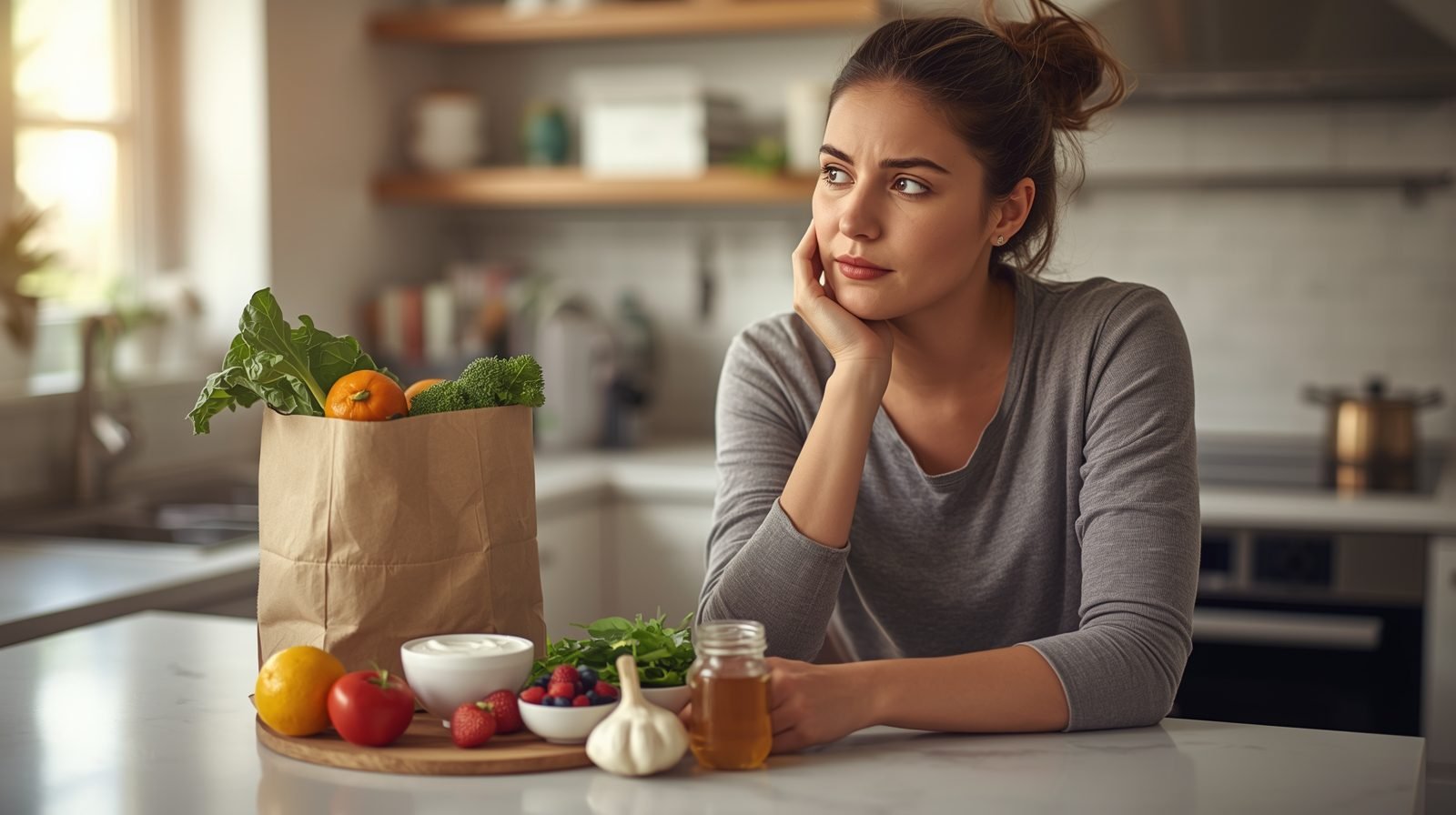
Every year, as the back-to-school season creeps up, I feel that mix of excitement and quiet worry. New shoes, fresh notebooks… and then the first sneeze that reminds me germ season is also walking through the school doors. Over the years, I’ve seen how immune-boosting foods make a real difference for kids’ health and children’s immunity. They don’t stop every sickness, but they can change the recovery time, the duration of colds, and how worn out everyone feels. When COVID arrived, like many parents and families, we suddenly found ourselves talking more to our physician and our pediatrician, trying to get advice while also navigating insurance providers and being squeezed in as new patients. That’s when I leaned seriously into food as medicine and a healthy diet as part of our daily routine.
I’m not replacing a primary care provider or any medical care, of course. We still rely on a physician or pediatrician for school-related illnesses and anything that feels serious. But I’ve watched home prevention and illness prevention work quietly in the background when we build good habits at home. During the school year and even in summer, we focus on supporting immune systems, preventing colds when we can, and helping the kids bounce back faster from sickness and recovery. Some of this comes from the expert tips that I’ve picked up along the way, and some from trial and error as a mum in a busy kitchen. Below, I’ll walk you through the six foods that now always end up on our shopping list and exactly how I use them in real family life.
How One Simple Shopping List Became Our Germ-Season Safety Net
I still remember the first school year when all three of my kids were in different classes. Within two weeks, we had three different bugs moving through the house. That was my turning point. Instead of waiting for sickness to hit, I started stocking up on immune-boosting foods before the school year began. I looked at how school-related illnesses seemed to appear like clockwork every back-to-school season and decided to treat our grocery cart as part of our home prevention plan, right alongside handwashing and early bedtimes.
Now, our routine blends a healthy diet with practical choices. I watch how long the duration of colds lasts, how each child’s recovery time changes over the months, and how much support their immune systems seem to have. I still call our physician or primary care provider when something doesn’t feel right, and I always respect the role of a pediatrician in kids’ health. But as parents, we also have power in the kitchen. Season after season and through each school year, these foods have quietly supported children’s immunity in our family, helping to lower the number of sick days and easing the weight of constant illness prevention on our shoulders.
Citrus Power: The Daily Fruit I Rely On When School Germs Hit
When my children return to school after a holiday, I almost automatically throw oranges into the trolley. Over time, I’ve learned that these bright citrus fruits are more than a lunchbox treat. Oranges, lemons, limes, and grapefruits are little vitamin C powerhouses, and that vitamin C directly supports the immune system. It helps white blood cells and antibodies act like tiny bodyguards against germs, especially during waves of respiratory sickness. When one of my kids has respiratory symptoms or other illnesses, I notice that adding a daily fruit ritual often shortens their recovery time compared with the years when I was less intentional.
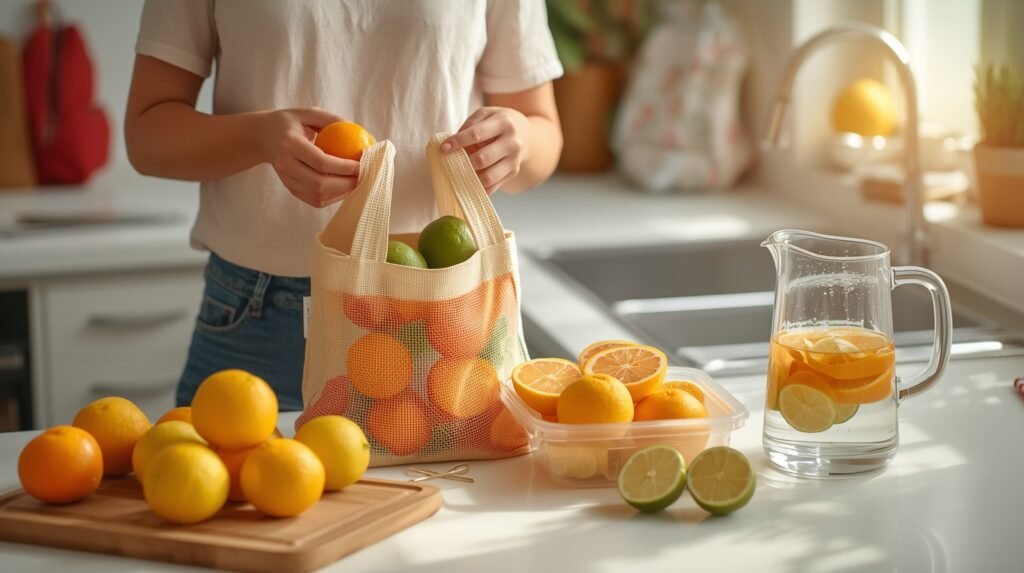
Here’s how I use citrus as an immune booster for children’s health and cold prevention, especially when I know we’re headed into a high-risk period for infectious attacks:
- I keep oranges washed and ready, so reaching for daily fruit is easier than asking for biscuits, which helps with viral defense over time.
- I mix citrus fruits like lemons and limes into water for a gentle antioxidant lift when germs are swirling in the classroom.
- When one child shows early respiratory sickness or respiratory symptoms, I add sliced grapefruits and oranges to breakfast to support the immune system quickly.
- I talk to the kids in simple terms about how white blood cells and antibodies need “vitamin C fuel” to fight germs, so they feel part of their own cold prevention.
- On busy school mornings, I pack peeled oranges or citrus fruits into lunchboxes, knowing this small immune booster might quietly protect children’s health through the day.
Garlic: Why I Trust Garlic When Everyone Starts Sniffling
Garlic is one of those ingredients my kids pretend to hate but secretly benefit from every week. In our kitchen, chopped garlic and chopped onions sit on the cutting board almost daily during the school year. The moment that pungent smell fills the house, someone usually yells, “Mum, what are you making?” While they joke about the smell, I’m thinking about allicin, the natural compound in garlic that works as an antimicrobial and anti-infection ally inside their bodies.
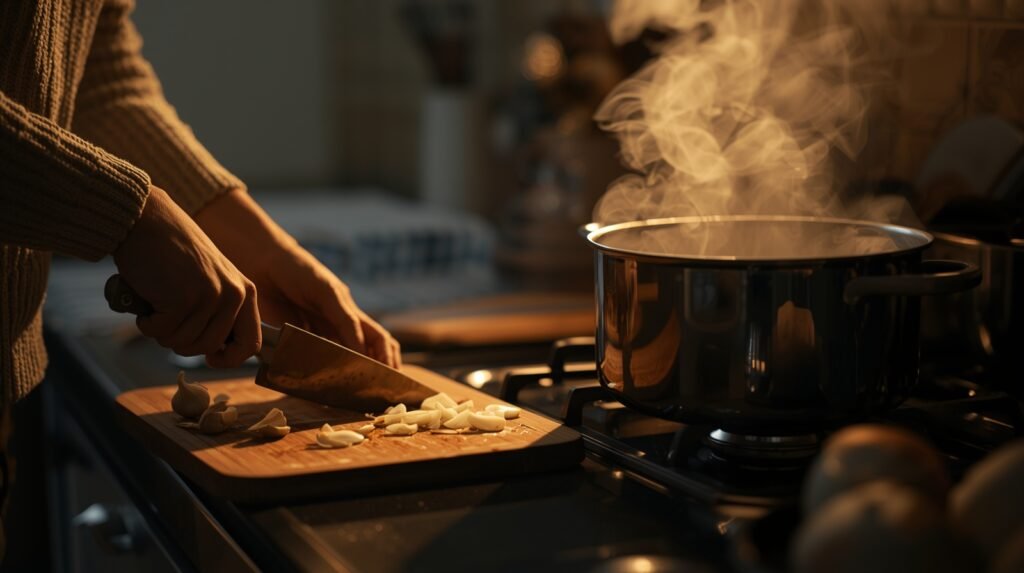
Here’s how garlic fits into our real-life routine as a quiet hero for immunity and germ defense:
- I add garlic to garlic-infused meals like soups, stews, and pasta sauces during meal prepping, especially when kids around us are coughing in the playground.
- I often sauté onion and garlic together to start home-cooked meals, letting that pungent smell fill the kitchen while I imagine allicin working as a natural antimicrobial.
- I remind myself that each clove is helping white blood cells and supporting immunity to protect from getting sick, even when we can’t avoid every virus at school.
- Using garlic in immune-supportive cooking has boosted immunity in our household over time, and it feels like infection prevention I can do even on difficult days.
- When I’m tired and tempted to order takeaway, I think of the long-term germ defense we get from simple, home-cooked meals with plenty of garlic and onion.
Broccoli Nights: The Easy Dinner That Quietly Strengthens Their Defenses
When my kids were younger, I used to feel guilty about how often broccoli showed up at our table during summer dinners. It was cheap, quick, and I knew it was good for kids’ immunity, but I worried they would get bored. Over time, though, I’ve watched them grow stronger through school winters, and I’ve come to see broccoli as one of our strongest allies. It is a classic cruciferous vegetable and surprisingly nutrient-dense for such a simple side.
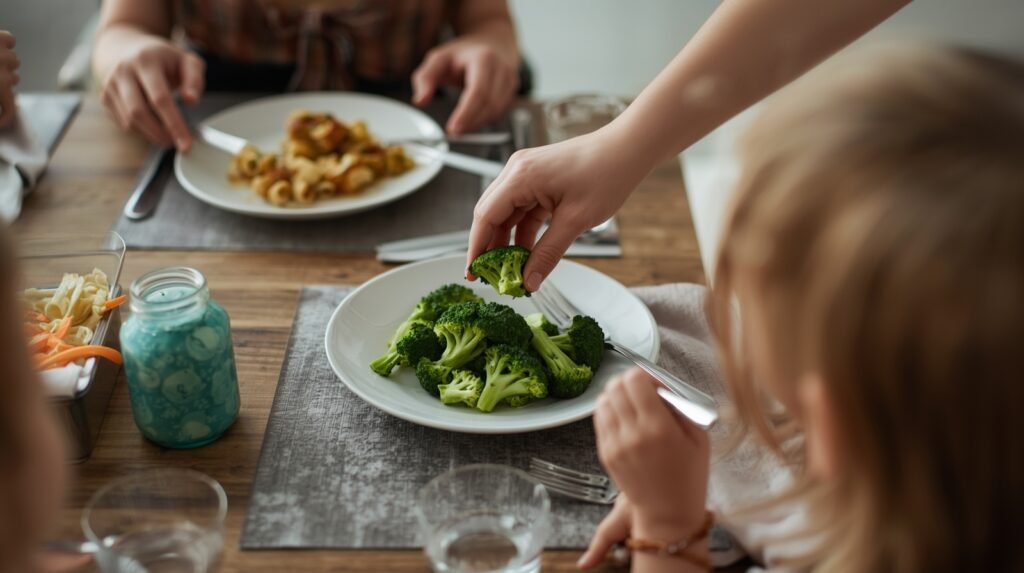
Below is how broccoli works inside those little bodies and why it’s more than “just a veggie” for child immune defense, illness prevention, and vegetable-rich meals:
| What’s Inside Broccoli | Why It Matters for Kids | How I Use It at Home |
| vitamins C and A | Support kids’ immunity and help white blood cells do their job | Lightly steamed as a healthy side dish most weeknights |
| vitamin E | Partners with other antioxidants to fight free radicals | Tossed with a bit of olive oil and salt for roasting |
| beta carotene | Helps fight viruses and supports eye and skin health | Mixed into pasta or rice to make it less noticeable |
| antioxidants | Help control free radicals that damage cells and make kids sick | Added to soups for extra protection during outbreaks |
| “boost immunity” effect | Offers long-term support for kids’ immunity and child immune defense | Served regularly during summer dinners and into term time |
I often remind myself that these antioxidants don’t work overnight. They slowly help reduce free radicals that damage cells, make kids sick, and even accelerate aging over the long run. When I serve broccoli as a healthy side dish alongside other vegetable-rich meals, I feel like I’m building a quiet wall of defense to fight viruses and boost immunity in a way that doesn’t rely only on medicines or last-minute fixes.
Spinach Smoothies: The Green Trick That My Kids Actually Ask For
Spinach used to be my biggest struggle. I knew spinach and other green leafy vegetables were wonderful for kids’ immunity, but every time I put leafy greens on the plate, they pushed them aside. One summer, desperate for change, I tried a raw spinach smoothie as an experiment. I blended spinach with chocolate almond milk, bananas, and orange juice, and suddenly the same children who rejected salad were asking for seconds. I realized this quiet, nutrient-rich drink could be part of our daily routine before and after school.
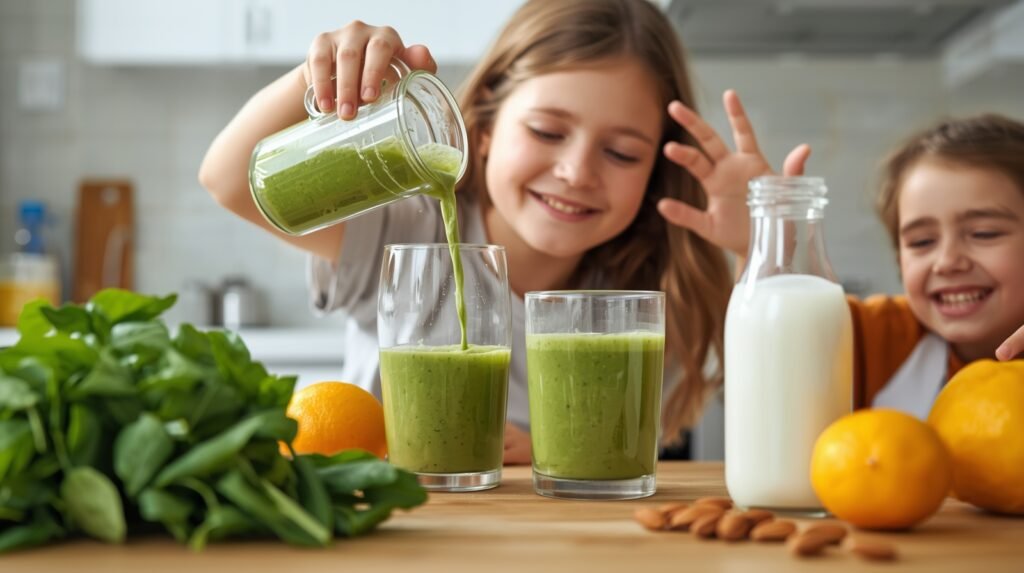
Here’s how I build that habit, step by step, using a simple spinach recipe that aims for maximum benefits in kids’ nutrition:
- Start with a base of chocolate almond milk so the flavor feels like a treat while still supporting a daily smoothie habit.
- Add a big handful of spinach to make it a true raw spinach smoothie and keep those green leafy vegetables front and center.
- Blend in bananas and a splash of orange juice for natural sweetness, extra vitamin C, and a little more beta carotene.
- Remember that spinach is naturally full of calcium, magnesium, potassium, iron, and folate, making it extremely nutrient-rich.
- Whenever possible, prepare it raw or cooked as little as possible so the leafy greens deliver maximum benefits without losing their power.
- Serve it as a daily smoothie either before school or as a snack, knowing it gently supports kids’ immunity and nutrition without a fight.
Now, instead of nagging about vegetables, I offer them a fun drink. They get a powerful dose of spinach, leafy greens, and those minerals in a form that doesn’t feel like “health food.” It’s one of the quiet parenting wins that makes the rest of the day a little easier.
Ginger Mornings: The Cozy Breakfast Ritual That Fights More Than Sleepiness
Our breakfast routine used to be rushed and chaotic: cereal, toast, and everyone out the door. Once I started paying attention to how often the kids were making kids sick from passing germs back and forth, I decided to turn breakfast into a small immunity ritual. That’s when ginger, nutmeg, and cinnamon moved from the back of the cupboard to the front of the counter. Now we use them in spinach smoothies and in warm oatmeal, and this balance of spices brings both comfort and protection.
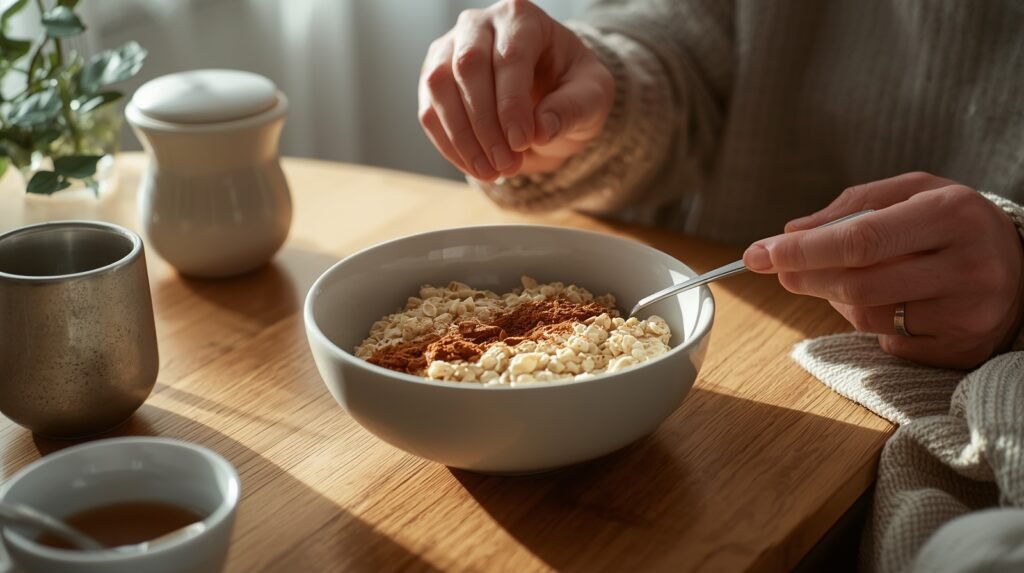
This is how I build our ginger-based morning habit in simple steps:
- On cool mornings, I cook oatmeal and stir in ginger, nutmeg, and cinnamon to bring warmth and a gentle balance of spices.
- On busier days, I add ginger to spinach smoothies so we still get that support even when breakfast is rushed.
- I remind myself that these immune-supportive spices offer antimicrobial properties and antioxidant properties that go beyond flavor.
- Inside those little bowls and cups, they are quietly working on microorganisms such as viruses and bacteria that are always trying to find a way in.
- Using natural antimicrobials in this way brings a subtle flavor balance to our breakfast routine while acting as immune-enhancing spices.
- Over time, I’ve seen how this simple habit adds another layer of protection for children’s health during peak illness months.
There’s something very grounding about serving a warm bowl that smells like cinnamon and ginger before the kids head out to face the world. It doesn’t stop every bug, of course, but it feels like a loving way to send them off with a bit more strength.
Red Bell Peppers: The Crunchy Snack My Kids Don’t Realize Is a Vitamin C Star
Red bell peppers were a surprise discovery for me. I always thought of them as just something you toss into a salad, but once I learned that a high vitamin C vegetable can rival citrus fruits in power, I started paying attention. Red bell peppers and even green bell peppers are now regulars in our fridge. I slice raw red bell peppers, put them next to hummus, and watch little hands reach for the bright, crunchy vegetables without me saying a word.
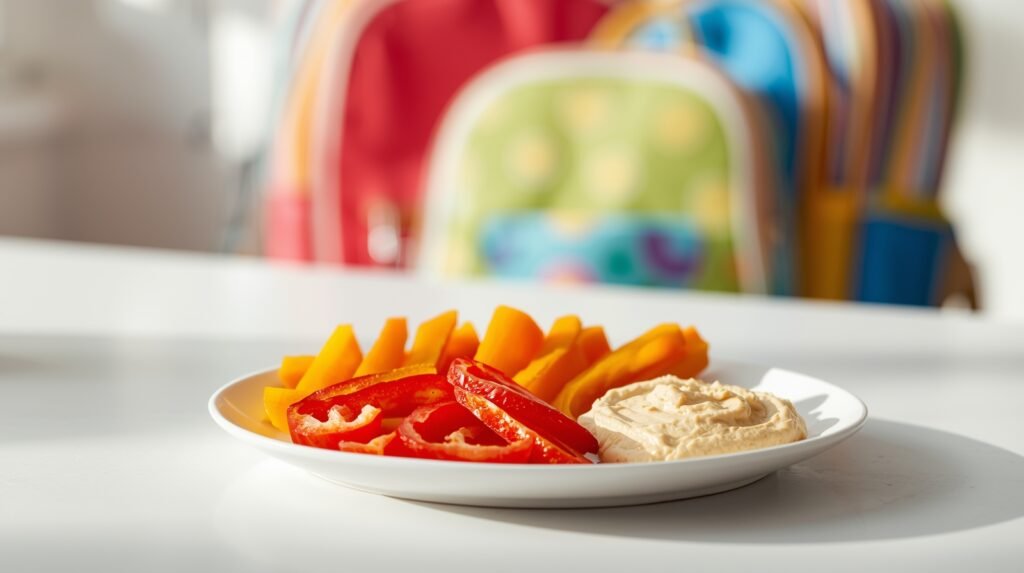
Here’s how red bell peppers quietly act as an immune-supportive snack in our home:
| Snack Idea or Feature | What It Brings to the Table | Why the Kids Love It |
| raw red bell peppers | A high vitamin C vegetable that supports the immune system | The crunchiness and bright color |
| red pepper with hummus | Healthy snacking plus plant-based protein and plant-based antioxidants | Great for dipping and sharing with siblings |
| salad with green bell peppers | Extra antioxidants and beta carotene added to lunch or dinner | Colorful vegetables that look “fun” |
| immune-boosting peppers | Work like citrus fruits with vitamin C and antioxidants | They don’t taste “too spicy” or bitter |
| immune-supportive snack | Fits easily into lunchboxes and after-school plates | Kids enjoyed the juiciness without pressure |
When I watch my kids grab these crunchy vegetables after school, I feel relieved. They are getting vitamin C, beta carotene, and supportive antioxidants in a form that fits naturally into our day. It might look like simple healthy snacking from the outside, but I know these immune-boosting peppers are quietly helping their bodies prepare for whatever is going around the classroom next.
FAQs
1. How early in the back-to-school season should I start using immune-boosting foods?
I personally start in late summer, a few weeks before the back-to-school season. That way, their immune systems are already supported when germ season begins, and school-related illnesses start to appear.
2. Can immune-boosting foods replace visits to a physician or pediatrician?
No. Immune-boosting foods and food as medicine are wonderful tools, but they do not replace a physician, primary care provider, or pediatrician. If sickness lingers, recovery is slow, or symptoms are worrying, I always contact a medical professional.
3. Do these foods help with COVID or other serious infections?
They support kids’ health and children’s immunity in general, which may help with illness prevention and recovery, but they are not a cure for COVID or any serious disease. For those situations, I follow Expert’s tips from trusted sources and the advice of our physician.
4. What if my child refuses vegetables like broccoli and spinach?
I’ve been there. I hide broccoli in vegetable-rich meals and pasta, and use tricks like a raw spinach smoothie with chocolate almond milk, bananas, and orange juice to support kids’ nutrition without a fight.
5. Are these foods safe for all kids?
Most children can enjoy oranges, garlic, broccoli, spinach, ginger, and red bell peppers, but if your child has allergies, stomach issues, or other medical conditions, talk to a physician or pediatrician first, especially if you are new patients with specific concerns.
6. How can busy parents and families fit this into real life?
I rely on simple routines: meal prepping on weekends, home-cooked meals most nights when possible, and quick immune-supportive cooking like garlic-infused meals or oatmeal with ginger. Home prevention doesn’t have to be perfect to help.
7. Do immune-boosting foods really change the duration of colds?
In my experience, and from what I’ve seen in Expert’s tips and articles, a healthy diet rich in these foods can reduce the duration of colds and improve recovery time, though every child is different and school year exposure still matters.
8. What if I can’t always afford fresh produce?
I’ve had seasons when money was tight. In those times, I used frozen broccoli or spinach and bought citrus fruits on sale. The important part is building good habits, not perfection.
9. Should I talk to insurance providers or a primary care provider about diet?
Yes, I often mention our family’s use of food as medicine during check-ups. A primary care provider or pediatrician may offer extra guidance on how immune-boosting foods can support illness prevention alongside regular care.
10. How do I know if home prevention is working?
For me, I look at patterns over the school year and summer: fewer days of sickness, shorter recovery, and kids bouncing back more easily from school-related illnesses. It’s not always obvious day to day, but over time, the difference in children’s immunity becomes clear.