
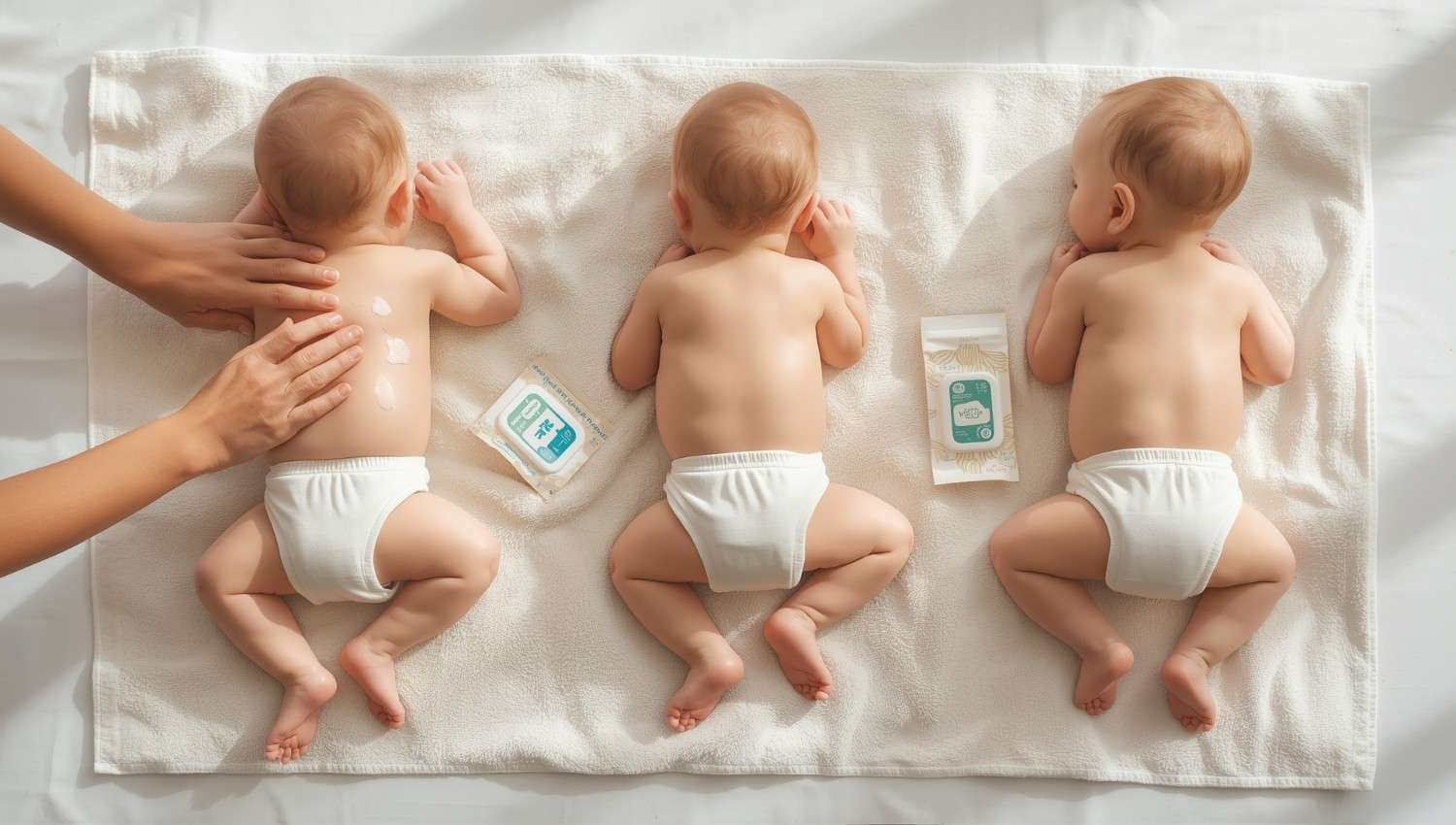
The First Touch: Understanding the Magic of Baby Massage
Baby massages are far more than just gentle strokes—they are an ancient form of soothing therapy that promotes bonding, calm, and emotional security. When your hands meet your baby’s skin, you’re not only offering comfort but also supporting health benefits that extend from the inside out. Massaging your little one helps relieve gas, cramping, and constipation, easing common discomforts of early infancy. These slow, rhythmic movements can calm both parent and child, creating an atmosphere of peace after the busyness of the day.
Through years of experience working with new parents, I’ve seen how this simple ritual nurtures relaxation and connection. Babies often respond to consistent touch with longer sleep cycles, fewer crying spells, and better digestion. Some research even suggests massage may contribute to healthy growth in preterm infants, though more studies are needed. Think of each massage not as a chore but as a chance to deepen understanding—your baby learns your rhythm, and you learn theirs.
Why Baby Massage Matters: The Science of Comfort and Connection
Touch is your baby’s first language. The gentle, repeated motion of your hands during baby massage stimulates sensory pathways, fostering neurodevelopment. This stimulation triggers oxytocin, the “love hormone,” enhancing the bond between you and your child while lowering stress hormones like cortisol. These physiological shifts translate into a steady heart rate, improved sleep, and better emotional balance.
Babies crave predictable, loving contact. Even a brief session after a bath can transform restlessness into calm. The effects are measurable: increased circulation, warmer skin, and visible relaxation. Over time, these small moments build emotional security—the foundation of trust that lasts well beyond infancy.

Health Benefits Every Parent Should Know
According to the International Association of Infant Massage (IAIM), baby massage stimulates both the circulatory and digestive systems. This natural stimulation helps relieve gas, cramps, colic, and constipation, all while supporting smoother digestion. Gentle strokes can also ease muscular tension, soothe teething discomfort, and encourage better sleep.
For preterm infants, massage may promote growth and weight gain, though findings vary. Even without a strong scientific consensus, parents consistently report tangible benefits: fewer fussy nights, deeper bonding, and a calmer home. Still, if your baby has specific health concerns, consult your pediatrician first for personalized advice. Massage complements medical care—it doesn’t replace it.
When to Begin: The Right Time for Baby Massage
Many professionals, including the IAIM, encourage parents to introduce gentle touch from birth. Early skin-to-skin care, also called kangaroo care, fosters comfort and regulates your baby’s temperature and heartbeat. You can begin by lightly stroking their legs and back as they rest on your chest, then gradually explore the arms, hands, and feet as your baby grows used to your touch.
The best time for a massage is when your baby is calm, alert, and receptive—not crying or sleepy. Avoid massaging within 45 minutes of feeding to prevent discomfort or vomiting. If your baby turns away or stiffens, take a pause. Their body language is a reliable guide. You’ll soon recognize when they’re ready for this intimate form of connection.

How Often Should You Massage Your Baby?
Consistency is more important than frequency. Some parents include baby massage in their daily routine, while others prefer it every other day. Observe your child’s cues—if they seem calm and responsive, that’s your cue to begin. A morning session can energize your baby, while an evening massage often prepares them for sleep.
Over time, these sessions will fit naturally into your rhythm. In my experience, babies look forward to this shared ritual, especially when it’s part of a familiar routine. Whether it lasts five minutes or twenty, it’s not about duration but presence.
Creating the Perfect Environment for Massage
Before beginning, prepare a warm, quiet space where both you and your baby feel comfortable. Keep the room temperature around 24–27°C to prevent chills. Soft lighting and a cozy towel or mat create a sense of safety. Place your baby on their back, allowing for easy eye contact.
Clean your hands thoroughly and remove jewelry to avoid scratching their delicate skin. If you use oil, choose one that’s odorless, hypoallergenic, and edible—like sunflower or coconut oil. Always do a patch test first. Avoid products with artificial fragrances or essential oils that may irritate your baby’s skin. These small precautions ensure a nurturing, secure atmosphere that your child will soon associate with calm.

Mastering the Art: Step-by-Step Techniques
Massage doesn’t have to follow strict rules. Think of it as a gentle conversation between your hands and your baby’s body.
- Legs and Feet: Begin with slow circular motions on the thighs and calves, then glide downward to the ankles. Lightly roll each toe between your fingers. These strokes improve blood flow and strengthen coordination.
- Tummy: Place your hands flat on your baby’s stomach and move them in slow, clockwise circles to follow natural digestive flow. This technique helps ease gas and constipation.
- Arms and Hands: Gently stroke from the shoulders to the wrists, paying attention to each palm and finger.
- Chest: Rest your hands at the center and glide outward, as if opening a book. This expands the chest, encouraging deep breathing.
- Back: If your baby enjoys tummy time, gently stroke from shoulders to buttocks, avoiding direct pressure on the spine.
- Head and Scalp: Use feather-light circles, being careful around the soft spot, or fontanelle. These touches relax and soothe.
Every baby reacts differently. If they start to fuss, pause and resume later. Over time, you’ll learn their favorite areas and rhythms, making each session more meaningful.

Safety and Precautions for Every Parent
While baby massage is generally safe, a few rules protect your little one’s well-being. Never massage when your baby has a fever, rash, or open wound. Avoid deep pressure—gentle, rhythmic contact works best. Always wait at least 45 minutes after feeding to avoid spit-ups or discomfort.
Maintain good hygiene by washing your hands and keeping your nails trimmed. Keep a clean diaper and wipes nearby for quick access. Most importantly, ensure your baby stays warm and comfortable throughout the session. Babies lose heat faster than adults, so wrap them in a soft towel after the massage.
If your baby has sensitive skin or allergies, consult your healthcare provider before choosing an oil or lotion. These precautions turn every session into a safe, relaxing ritual.
Global Traditions: Baby Massage Around the World
Across cultures, baby massage has been a symbol of love and care for centuries. In India, mothers use warm oils daily to strengthen muscles and build resilience—a custom passed through generations. In Africa and Asia, massage forms part of the baby’s morning routine, often combined with songs or prayers that reinforce familial connection.
In the West, modern science has validated many traditional practices. Hospitals now include massage therapy for preterm infants, helping with weight gain, reduced hospital stays, and better parent-infant bonding. Whether rooted in cultural tradition or scientific research, the message remains the same: touch is healing, universal, and timeless.
The Science Behind Relaxation and Sleep
When a parent’s hands gently glide across a baby’s skin, something remarkable happens. Circulation increases, the body warms, and heart rate steadies. Research shows that baby massage lowers cortisol (the stress hormone) and increases melatonin and endorphins, which promote deeper, more restful sleep.
Preterm babies who receive regular massage often exhibit improved neural development and more stable cardiorespiratory patterns. For full-term infants, massage before bedtime can signal the brain that it’s time to wind down, creating a natural bridge from alertness to rest. Parents often notice their babies falling asleep faster—and staying asleep longer.
Beyond the Physical: Emotional and Cognitive Growth
Massage is as much about the mind as it is about the body. Repeated touch builds trust, enhancing your baby’s sense of safety and belonging. This emotional connection supports early social and cognitive development. Babies who experience consistent, affectionate touch often show stronger emotional regulation and secure attachment in later childhood.
Through massage, parents also learn to interpret subtle cues—eye movements, coos, squirms—that express comfort or discomfort. These small interactions help you understand your child’s unique language before they can speak, strengthening both confidence and empathy.
Common Myths About Baby Massage Debunked
It’s easy to stumble upon myths—like the belief that baby massage can “speed up growth” or “cure colic overnight.” While massage may help relieve gas or discomfort, it’s not a miracle fix. Similarly, not all oils are safe; avoid anything with a strong fragrance or synthetic ingredients.
Another misconception is that expertise is required. You don’t need certification to connect with your baby through touch. Follow your instincts—what matters most is gentleness, presence, and consistency. Every parent can master this with time, patience, and love.
My Experience: Where Science Meets Love
Having guided new parents through countless first massages, I’ve witnessed both the uncertainty and the joy that this practice brings. What begins as a cautious touch soon evolves into confident, heart-centered care. Parents report feeling calmer themselves—proof that the benefits of baby massage are mutual.
Each stroke tells your baby: “You’re safe, you’re loved, and I’m here.” That message, delivered through touch, forms the first bridge between science and emotion—between nurturing and being nurtured. This is what makes baby massage one of the most profound, simple acts of parenthood.
On hectic days, even a few minutes of massage can make a difference. Many families weave it into their bedtime or post-bath routines, using it as a signal for rest. Involving both parents—or even siblings—can transform it into a shared act of affection.
This practice promotes not only connection but also a calmer home atmosphere. It reminds parents to slow down, breathe, and focus on their child. Over time, these moments become family traditions—simple gestures that carry deep emotional weight.
FAQs
- Can baby massage help with colic or gas problems?
Yes, baby massage can often help relieve colic and gas discomfort. Gentle circular motions on your baby’s tummy—moving clockwise to follow the natural direction of digestion—can help trapped air move through the intestines. Pediatricians sometimes call this technique “encouraging peristalsis,” which supports normal bowel movement. While it’s not a cure, consistent massage can reduce crying spells, ease bloating, and bring visible relief to your baby. Remember to perform a tummy massage only when your baby is calm and at least 30 to 45 minutes after feeding.
- How long should a typical baby massage last?
There’s no strict rule for duration—it depends on your baby’s mood and tolerance. For newborns, even 5 to 10 minutes of gentle touch is enough to stimulate their senses and encourage relaxation. As your baby grows and becomes more comfortable, sessions can extend to 15–20 minutes. Watch for cues: if your baby turns away, clenches fists, or fusses, it’s time to pause. The goal isn’t to meet a time quota but to nurture connection and comfort.
- Can dads or other caregivers do baby massage too?
Absolutely! Baby massage isn’t just for mothers—it’s a meaningful activity for fathers and all caregivers. When dads or grandparents participate, it helps strengthen their bond with the baby and boosts confidence in caregiving. The gentle rhythm of massage allows each caregiver to build trust and emotional closeness. Research even shows that fathers who regularly massage their babies experience reduced stress and feel more attuned to their child’s needs. Everyone’s touch is unique, and babies learn comfort from all-loving hands.
- What if my baby doesn’t enjoy massage?
Don’t worry—some babies need time to adjust. If your baby cries, turns away, or squirms, pause and try again later. Follow their cues and keep sessions short at first. Respecting your baby’s comfort builds trust, and soon they’ll associate massage with safety and love.
- Is there a best time for baby massage?
Most parents find success after a bath or before bedtime, when their baby is alert but relaxed. The goal is to build it into your routine, whether it’s a morning refresher or a nighttime wind-down. Observe your baby’s mood—they’ll let you know when they’re ready for this gentle ritual.
- Can I use any oil or lotion?
Always choose products designed for infants: natural, hypoallergenic, and fragrance-free. Good options include sunflower and coconut oil, which absorb easily and are gentle on sensitive skin. Perform a patch test and consult your pediatrician if your baby has allergies or a family history of sensitive skin.