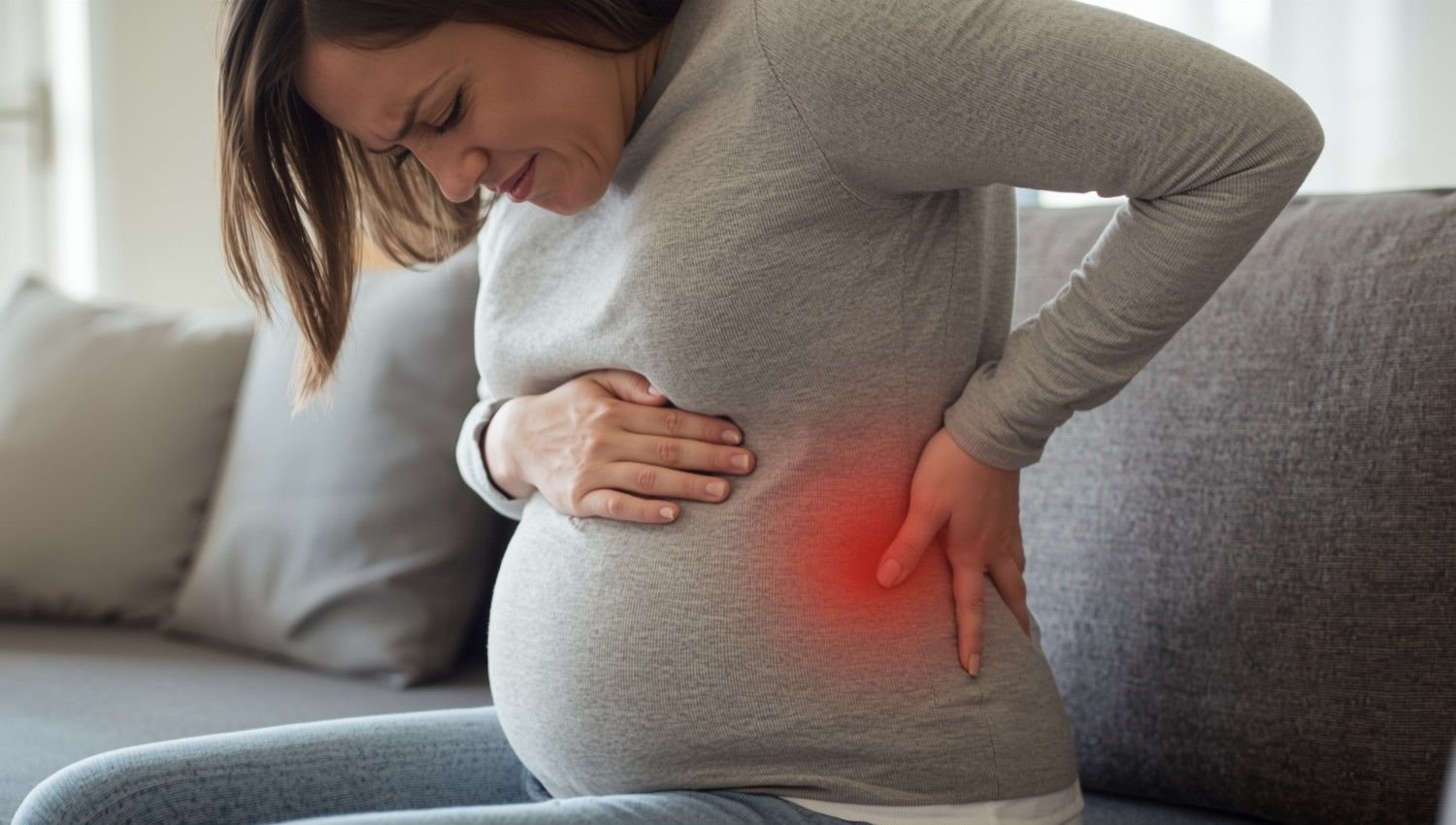
Pregnancy is often an exciting time when women prepare to bring a new person into the world. During this stage, many mothers-to-be make plans, start tracking the growth of their baby, and keep counting the days to their due date. Yet, with all the joy, there are challenges that take a toll on the body. Some are quite noticeable—a growing stomach, morning sickness, and many changes that are anticipated and usually accepted as part of the early developments. But for some, unexpected rib pain can appear, leading to worry and discomfort.
From my own experience as well as listening to other pregnant women, this type of pain feels disconcerting but is often normal. The ribs expand in order to accommodate the fetus, which can bring a myriad of sensations that are hard to deal with. A good guide is knowing the causes and learning how to relieve them with simple steps, so the pain becomes more manageable. Still, if a woman feels overly concerned or if there is any suspicion of an underlying condition or complication, seeking medical evaluation and possible treatment from a care team is essential. It helps to know that while rib pain can be part of pregnancy, attention to it ensures the well-being of both mother and baby.
Causes of Rib Pain During Pregnancy
Many pregnant women experiencing rib pain often find themselves wondering if it’s normal. The truth is, it’s quite common, especially in the third trimester when the baby grows larger. Sometimes, it can even start in early pregnancy as a result of the body physically adjusting. The baby’s kicking against the ribs, along with stretching and moving muscles, can easily explain this discomfort.
In rare cases, rib pain may point to a complication, but most of the time, there are simple ways to prevent added strain and stay comfortable until you deliver. Gentle stretches, good posture, and supportive seating can help ease the tension, making the journey feel more manageable.
Is It Normal for Ribs to Hurt During Pregnancy?
Feeling pain in the ribs during pregnancy can show up as a dull ache, sharp twinges, or even noticeable tenderness. It’s quite common, especially as the baby grows and the body makes space. Most women feel it more on the right side, though the left side can also be affected.
While mild discomfort is usually not a concern, if the pain becomes severe, it should be evaluated by a doctor to rule out other issues. Paying attention to changes helps keep both mother and baby safe.
What Causes Rib Pain During Pregnancy?
1-Musculoskeletal Changes
As changes in the body occur during pregnancy, rib motion becomes limited. The chest expands, making it harder to bend forward, and this natural human adjustment at the front of the body creates a limitation that can cause persistent pain.
2-Gallstones
During pregnancy, women face a higher risk of gallstone disease. Rising estrogen levels slow the emptying of the gallbladder and biliary ducts, which leads to the formation of gallstones. Many pregnant or postpartum women experience sludge, a sluggish flow, or painful symptoms. In severe cases, stones may require surgery to remove.
3-Heartburn
The hormone relaxin, produced in pregnancy, keeps muscles and ligaments relaxed for childbirth, especially in the skeletal frame of the pelvis and ribs. As the baby grows, pressure on the esophagus makes mothers more prone to heartburn, which can manifest as rib pain.
4-Other Complications
Sometimes discomfort comes from an underlying serious problem in the upper abdomen, such as liver disease, preeclampsia, or HELLP syndrome. These life-threatening complications may show protein in urine, high blood pressure, or require urgent medical attention. Warning signs include sudden dizziness, spots or floaters in the eye, bleeding, headaches, nausea, or vomiting.
5-Rib Pain and Tumors
There is evidence that in rare cases of pregnancy, liver growth or cancer increases the risk of a tumor near the rib cage. It may also link to a blood clot in Budd-Chiari syndrome or problems with the kidneys. Such severe pain must be checked by a doctor.
6-The Ribs Take Up a Sizable Space in the Thoracic Body
The ribs in the thoracic body can feel stress on the left or side or right, leading to pain that may signal hidden issues, some serious.
7-Musculoskeletal Changes (Detailed)
As the uterus grows, the fetus pushes upwards, placing pressure on nearby organs. This often triggers inflammation, especially when the breasts become bigger. The ribcage stretches in the opposite direction, making women in their second and third trimesters more likely to feel aching.
8-Fetal Position
By the end of the second trimester, when the baby turns head-down, their feet often press into the ribs. This added pressure, along with sore spots from kicks and strong movements, can exacerbate the soreness. If the baby is in a breech position with the head up, the pain may feel sharper.
9-Hormonal Changes
Pregnant women produce the relaxin hormone, which helps muscles relax and expand for the fetus. But it also weakens the valve near the stomach, leading to heartburn when the esophagus is exposed to acid reflux. This can create rib pain early in pregnancy and continue throughout.
10-Pregnancy Complications
Sometimes, right rib pain in pregnancy comes from the upper liver, kidney, or urinary tract. An infection (UTI), gallstones, pancreatitis, preeclampsia, or even a tumor may be responsible.
11-Urinary Tract Infections (UTI)
Bacteria in the urinary tract during pregnancy can affect the bladder. With the fetus adding pressure, the result may be an infection that spreads to the kidneys and shows up as rib pain.
12-Gallstones (Detailed)
Gallstones may trigger intense pain in the upper quadrant. Rising estrogen slows bile flow through the ducts, leading to deposits. Along with progesterone in the late trimester, the ultrasound may reveal stones in the abdominal cavity. They can be treated surgically. If ignored, pancreatitis may follow, a life-threatening risk for mother and baby that could trigger preterm labor or even fetal mortality.
13-Preeclampsia
Preeclampsia is a dangerous complication in pregnancy tied to high blood pressure and poor placental vessels. Typical symptoms include rib or quadrant pain, shoulder aches, swelling, headaches, nausea, back pain, weight gain, or vision problems such as flashing spots, blurriness, or auras. A hospital check may be needed.
14-Ectopic Pregnancy
In less than 12 weeks, some pregnant women may feel rib or shoulder pain from an ectopic pregnancy, though it is extremely rare.
15-Cancer
Though cancer in pregnancy is rare, it can be hard to detect. Possible symptoms are bloating, fatigue, breast changes, nausea, or constipation. If it spreads to the liver, women may notice persistent abdominal quadrant pain. Any unusual signs should be seen by a doctor.
Preventing Rib Pain During Pregnancy

When a baby’s foot gets stuck against the body, it can lead to rib pain that feels tough to manage. With some luck, you can prevent it to a degree by staying active and exercising throughout pregnancy. Keeping yourself comfortable while avoiding excess weight gain also helps, since added pounds can contribute to the formation of rib pressure.
Remedies for Rib Pain
If you are experiencing rib pain, simple remedies can help ease the discomfort.
1-Visit a Chiropractor
A gentle adjustment to the skeletal system can correct your posture and position, reducing stress from the shifts your body and baby create. This often helps lower the pressure on the ribs.
2-Use an Exercise Ball
Oversized exercise balls can be true lifesavers during pregnancy. If rib pain strikes, you can drape your back over the ball and try gentle roll-outs. They’re easy to shop for and highly effective.
3-Exercise
Gentle yoga and stretching keep your muscles loose and healthy, while also giving your baby space to move comfortably.

How Does Rib Pain Change During Pregnancy?
Rib pain can change across pregnancy, depending on the underlying cause, the symptoms, and whether there are any complications.
1-First Trimester
Mild indigestion, hormonal changes, and trimester shifts—even when the baby is just an ounce—can bring small musculoskeletal issues.
2-Second Trimester
Musculoskeletal pressure grows more intense in pregnancy. During the second and third trimesters, as the baby grows bigger, some women notice shortness of breath.
3-Third Trimester
The baby’s arm or leg movements in the final trimester add pressure. The uterus, breasts, and pelvis push against the ribs, but often relief comes once the baby shifts and the pain subsides.
How Do You Relieve Rib Pain During Pregnancy?
To ease rib pain, try to avoid certain positions in pregnancy that add pressure.
1-Exercise
Gentle stretching and breathing help. Preventing stiffness with swimming, aerobics, or yoga keeps muscles strong and supple. The nervous system benefits too. Using a ball for rolling, or advice from a physiotherapist, can help if your job requires long sitting hours. Set a timer for every few minutes to remind you to start stretching.
2-Reduce Inflammation
Apply a warm compress to the ribs so muscles can relax and bring relief. A bath with Epsom salt may ease inflammation through magnesium. If the pain is sharp, try cool packs or alternate the two.
3-Get a Massage
A gentle massage helps diminish trigger points and can lengthen tight muscles.
4-Be Mindful of Your Posture
Slouching or overarching the back puts pressure on the ribs and causes abdominal coning with shortness of breath. A physiotherapist, Alexander Technique teacher, or chiropractor can provide adjustments that make you more comfortable.
5-Watch Your Weight Gain
Gaining too much weight adds stress to the ribs and joints, and can affect the health of your baby.
6-Change Your Eating Habits
If indigestion or heartburn leads to rib pain, switch to smaller meals eaten more often. Avoid caffeine, sugar, and rich, spicy, or fatty foods.
7-Consider Your Clothing
Pregnant women should choose loose clothing and supportive undergarments. A well-fitted bra without underwire, plus a belly band for the abdomen, can give better support.
8-Take an Analgesic
If your doctor approves, you may use acetaminophen to take the edge off rib pain.
How Should I Sleep to Prevent Rib Pain During Pregnancy?

If you’re experiencing rib pain with shortness of breath, sleep on an incline using pillows or a wedge. Resting on your side with a pillow between your knees helps during the second and third trimesters. Lying on the left side can reduce pressure on the liver and improve circulation.
1-About MiracleCord
MiracleCord is an industry leader in affordable full-service cord blood and tissue banking. Here, stem cells are isolated and stored from the umbilical cord for future treatments. These are FDA-approved for many heritable disorders, cancers, metabolic, and immune conditions. Requesting an Info Kit reveals the life-saving potential of this service.
2-The Bottom Line
Even though a karate kick in the womb can make rib pain feel unavoidable in pregnancy, most musculoskeletal issues improve with exercise, a balanced diet, and a heating pad. But if severe symptoms arise, contact your care team right away.
Causes of Rib Pain
There are many reasons you might be struggling with rib pain in pregnancy. The severity and intensity of the discomfort depend on the cause. It’s common for a baby to grow and press against internal organs and the ribs, making it harder to breathe. Frequent kicking plus shifting hormones make ligaments soften, and the ribcage bones move. Other risks include gallstones linked to oestrogen, a sluggish gallbladder, and their rate of formation. Heartburn, stomach acid, reflux, and indigestion can worsen the pain. Infections like a UTI in the urinary tract or kidneys can also cause rib pain. Severe risks such as preeclampsia or HELLP, especially on the right side, may bring dizziness, vision problems like spotty lights, headaches, or nausea. A professional medical check, often via the NHS, is needed for these rare conditions to protect the child’s birth and overall safety.

Exercises to Relieve Rib Pain
1-Modified Child’s Pose
While sitting, keep your legs apart and stretch your hands forward. Lower your bottom towards your heels, letting your stomach relax in child’s pose. Take deep breaths, then walk your hands back to return and repeat.
2-Shoulder Stretch
While sitting, keep your neck straight, lift your elbow pointing upwards, then press it while you bend sideways. Hold the stretch for a few seconds, then repeat.
3-Pelvic Tilt
On hands and knees, align your hips and abdomen, then begin rounding your back. Hold, then release, and repeat.
Other Ways to Relieve Rib Pain
If exercising feels too strenuous or intimidating, there are still effective steps. Improve posture when sitting; avoid slouching, which adds pressure to the ribs and limits lung capacity. A straight, supportive bra and looser clothing help ease breasts and back strain. Applying movement, a heating pad, or ice to the sore area is safe for the baby. Try position changes like bouncing on an exercise ball or light yoga. Some women also find relief with an osteopath or physiotherapist. Each professional can tailor advice for changing aches and pains, treating them in a specific way.
Dealing with Rib Pain During Pregnancy
Pregnancy is a life-changing experience. Over the months before birth, women face both difficult and first-time symptoms. It’s important to keep mind and body balanced. A clear guide helps you handle discomfort, identify causes, and focus on non-life-threatening pain when you’re struggling. Visiting a clinic or seeing osteopaths and physiotherapists can make a difference. While it’s an exciting journey, it is also challenging, so the right support matters.
Conclusion
Rib pain during pregnancy can feel worrying, but in most cases, it’s a normal part of your body making space for your growing baby. From hormonal changes to musculoskeletal shifts and even the baby’s movements, many factors can trigger this discomfort. Paying attention to posture, exercise, and healthy habits can bring relief, while professional care ensures you stay safe if symptoms become severe. Every pregnancy is unique, so listening to your body and seeking help when needed is the best way to stay comfortable and confident throughout this journey.
FAQs About Rib Pain During Pregnancy
1. Is rib pain during pregnancy normal?
Yes, rib pain is common, especially in the second and third trimesters. It usually happens as your baby grows and your body adjusts.
2. When should I see a doctor for rib pain?
If the pain is severe, sudden, or comes with symptoms like dizziness, vision problems, headaches, or nausea, contact your doctor right away.
3. Can rib pain harm my baby?
In most cases, rib pain doesn’t affect the baby. It’s usually your body stretching and making room. However, always consult your care team if you’re concerned.
4. What can I do at home to ease rib pain?
Gentle stretching, yoga, using an exercise ball, warm compresses, and sleeping on your side with pillows can help ease discomfort.
5. Does rib pain stop after pregnancy?
For most women, rib pain eases or disappears after delivery once the uterus shrinks and pressure reduces.