

As a parenting blogger who has spent years guiding new moms and dads—while also learning through my own fair share of midnight diaper checks—I know how stressful baby constipation can feel. That moment when your baby turns red-faced, pulls their knees toward the chest, or seems uncomfortable during bowel movements can raise every alarm bell in your mind. I’ve been there, sitting beside the crib, wondering if the frequency of dirty diapers is normal or if the consistency or lack of comfort could signal something abnormal. Whether you’ve breastfed or have a formula-fed baby, you might also compare the color or mustard-like softness of stools, the occasional firmer stools, or those less frequent movements that make you wonder if digestion is working properly. Over the years, parents have told me the same story: “I didn’t know if it was real constipation or just a phase.” With so many patterns, from digestion differences to casein, milk, hard stools, pellet-like stools, straining, a bloated belly, reduced appetite, grunting, or visible distress—it can be hard to know what’s typical and what needs attention.
Let me guide you through what I’ve learned—both professionally and from being the parent who once Googled “Is crying during pooping always painful?” at 3 a.m. Together, we’ll explore what causes constipation, how to spot it early, how to bring relief, and how to prevent it gently and confidently.
Why Your Baby’s Poop Behaves the Way It Does
When I first became a parent, I was surprised to learn how much the idea of “normal” varies. Some breastfed infants may skip days yet still pass soft, mustard-like stools that show ideal digestion. Others, especially formula-fed babies, might have firmer stools, less frequent movements, or changes caused by digestion differences linked to casein or milk type. The real warning signs are not the number of dirty diapers, but the frequency, consistency, and comfort level. When you see hard stools, pellet-like stools, or movement less than three times per week, the body may be asking for help.

Parents often mention moments when the baby turns red-faced, pulling knees tight, grunting with visible effort. Some effort is perfectly normal; even my own newborn sometimes made dramatic sounds. But if it becomes repetitive or comes with a bloated belly, discomfort, or reduced appetite, those are warning bells worth noticing.
Hidden Triggers That Can Slow Your Baby’s Digestion
A baby’s digestive system reacts to even subtle changes in diet, development, and feeding routines. Breast milk contains proteins and prebiotics that act like a gentle laxative, helping keep soft stools moving. Meanwhile, some formula blends—especially those with high casein content or excess iron—can lead to firm stools and slow transit. I once spoke to a mother whose baby dealt with infant dysphasia after a week of using a concentrated formula because of late-night mismeasurement. That simple mistake caused dehydration, which made constipation worse.

And once solids start, new challenges appear. Foods like rice cereal or bananas, which are naturally low in fiber, can slow digestion as the immature gut tries to adjust. At this stage, babies need proper nutrients and sometimes additional water, ideally low-mineral water that is gentle on developing kidneys.
How Feeding Habits Shape Baby Bowel Health
- In my early parenting days, I learned how feeding choices create real dietary dynamics. For example, breast milk, rich in special proteins and prebiotics, is easily digested and rarely leads to issues.
- Formulas, on the other hand, offer more variables. Things like casein, iron, or using a concentrated formula by mistake can lead to dehydration, firm stools, hard stools, or even infant dysphasia. Parents starting solid foods such as rice cereal or bananas should know these are low fiber and may slow bowel motion, especially before six months. Even as textures change or new nutrients are introduced, remember that little ones also need hydration—sometimes just tiny sips of water, ideally low-mineral-content water.
Medical Reasons Behind Constipation That Parents Often Miss
- Some babies struggle because of an immature gut. Their digestive system simply has slower gut motility, which affects the intestines and can cause delays without any illness.
- More rarely, deeper issues like missing nerves in the colon (such as Hirschsprung’s disease), congenital hypothyroidism, anatomical anomalies, or a neurological disorder might be involved. Even certain medications—from iron supplements to antacids used for reflux—can cause stiffer stools, less frequent bowel movements, or trigger an emotional constipation cycle with fear of pain, anxiety, environmental changes, or withholding behavior.
What Your Baby’s Diaper Is Trying to Tell You
As a blogger and mother, I’ve often joked that a diaper can tell more truth than a thousand parenting books. When watching for signs and symptoms, focus on what the stool looks like. Hard stools, dry stools, marble-like stools, infrequent movements, or fewer than three per week (after six months) can hint at constipation. A splash of bright red streaks or small spots of blood often comes from small fissures in the anus caused by straining.
During my own baby’s early months, I learned that excessive straining doesn’t always mean obstruction, but when paired with abdominal swelling, refusal to eat, or signs of a possible bowel obstruction, it’s time to act.
Body Language Babies Use When They’re Constipated
One of the easiest ways to spot discomfort is simply observing physical behavior. A baby may arch the back, show a flushed face, clench fists, or pull knees toward the chest. They may refuse feeds due to discomfort, or show grunting and intense effort that looks like concentration. Over time, I also noticed how irritability or bloating built up in my own child when things weren’t moving well, along with a declining appetite. Toddlers may even develop a type of potty fear that leads to more resistance.

Problems Constipation Can Create If Ignored
Ignoring constipation doesn’t just affect comfort. It can lead to anal fissures, ongoing irritation, poor growth, or feeding difficulties. I once met a family whose child had persistent vomiting linked to constipation that went unrecognized for weeks. Visible abdominal swelling, blood on the diaper, and the rare risk of a bowel obstruction are signals that require immediate attention.
How Doctors Figure Out What’s Going On
| What Doctors Look At | Why It Matters |
| pediatrician review of feeding habits, stool frequency, consistency, discomfort, or blood | Helps understand patterns and symptoms clearly |
| physical exam checking abdomen tension, swelling, anal fissures, or other abnormalities | Detects visible issues or pain sources |
| Occasional rectal exam or checking for impacted stool | Confirms blockage or stool firmness |
| thyroid screening, abdominal x-ray, or evaluating underlying conditions | Rules out serious medical causes |
| Looking at developmental symptoms, neurologic symptoms, dietary change, illness, or acute constipation | Helps form a complete picture and create a treatment plan |
Easy Ways to Help Your Baby Poop at Home
- Gentle tummy massage using light clockwise circular motions can encourage peristalsis.
- Simple bicycle legs, warm baths for abdominal relaxation, or other home steps may provide instant baby constipation relief and stimulate a long-awaited bowel movement.

Little Movements That Make a Big Difference
Over the years, I’ve used many forms of gentle stimulation with my children and clients. A relaxed massage session, especially a soft tummy massage with slow clockwise motions, can help the body activate peristalsis. Pairing it with bicycle legs or lightly flexing legs can work wonders.
Some babies respond even better to warm water. Warm baths relax the abdominal muscles, making it easier for the body to release tension.
Hydration & Feeding Strategies That Work Wonders
- Keep formula preparation accurate by using the proper water-to-powder ratio. This prevents dehydration-related issues like electrolyte imbalances.
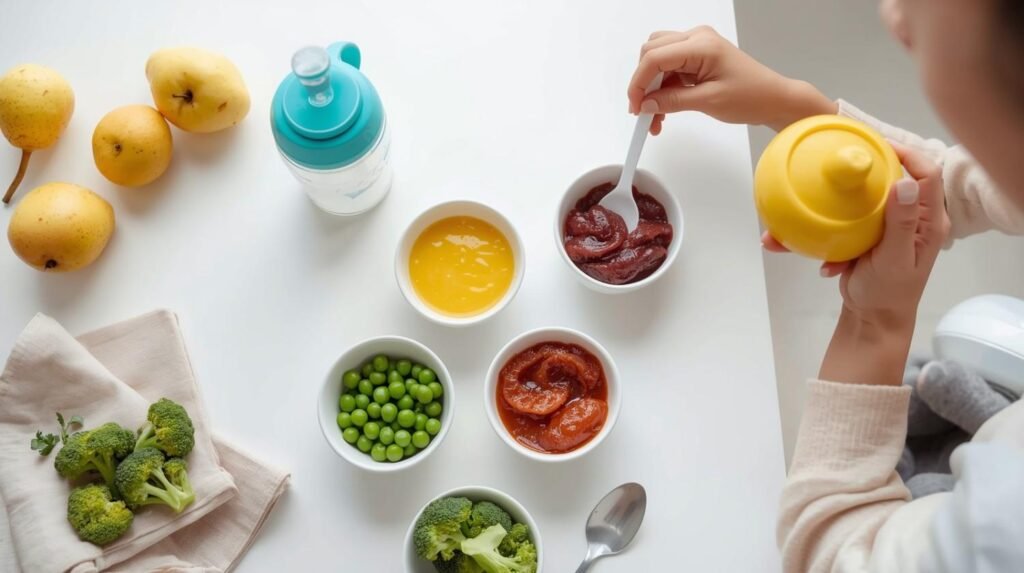
- Offer small amounts of water, especially after six months, and choose fiber-rich purees such as prunes, pears, peaches, peas, and broccoli. A bit of diluted prune juice can also help. When making formula transitions, consider the casein/whey ratios or added fiber options only with medical guidance.
Protecting Your Baby’s Skin During Constipation
| Problem | Solution |
| diaper rash from irritation | Clean frequently and gently |
| delicate skin exposed to stool or moisture | Use barrier creams with zinc oxide |
| Need for fresh air | Give periods of air exposure |
When Home Remedies Aren’t Enough
There are times when even the best home care isn’t enough. Your pediatrician may suggest medical treatments like glycerin suppositories, specific prescription stool softeners such as polyethylene glycol, or particular probiotics that support infant gut flora. I’ve seen many cases where medication offered quick relief after days of struggle.
However, avoid over-the-counter laxatives, mineral oil, or enemas. These can cause serious harm if used without proper pediatric advice.
Daily Habits That Prevent Constipation Over Time
Good prevention begins with accurate formula preparation, thoughtful diet changes, and careful measuring of the water and powder ratio. When introducing solids, choose foods with natural dietary fiber rather than only starchy cereals. This helps keep digestion moving smoothly.
How to Mix Formula the Right Way Every Time?
Parents sometimes underestimate how much proper formula preparation matters. Always focus on measuring water first to maintain powder accuracy. As the solids introduction begins, add plenty of fruits, vegetables, and fiber-rich foods so the digestive system stays balanced.
Helping Your Baby Build Healthy Digestion Through Movement
Healthy digestion thrives when babies stay active. Even small activities like crawling, tumbling, or exploring their play area support natural regularity. Continued breast milk, formula, and adequate hydration help maintain this rhythm.
Keeping Track of Poop Patterns Like a Pro Parent
A simple stool diary can help parents catch early changes in frequency, color, texture, or key transitions. I’ve kept many such logs during the early months and often used them in pediatrician conversations to discuss emerging patterns or sustained changes.
Gentle Parenting Approaches That Make Constipation Less Stressful
Over the years, I’ve come to rely on certain parenting guidance principles. Keeping steady routines, offering reassurance, managing predictable feeding schedules and nap schedules, and including daily physical activity—like tummy massage or bicycle legs—helps create the right atmosphere for soft stools and a thriving child. Patience is key.
Creating Comforting Routines for Happier Digestion
Parents often forget how much emotional comfort matters. When you focus on feeding routines, nap routines, gentle touch, and steady patterns, babies feel safe. These predictable schedules support overall physical health and bowel comfort.

Misunderstandings Many Parents Have About Baby Poop
One of the biggest common misconceptions is assuming all grunting means constipation. Sometimes babies exert normal effort, and as long as the result is a soft stool and they settle afterward or are settling well, there is nothing to worry about. Recognizing the difference takes time—and lots of diaper checking—but it becomes easier with experience.
Staying Calm When Constipation Affects Your Baby
Constipation can be tiring for babies and parents. Offering soothing tones, gentle touches, and gentle comfort helps a fussy baby relax. I remember many long nights needing extra patience and leaning on support from loved ones. Sharing the load and knowing when to seek professional input makes a big difference. Watch out for persistent pain, blood in stool, vomiting, fever, or poor weight gain—these require pediatrician guidance without delay.
Frequently Asked Questions
- How often should a baby poop normally?
It varies for some poop daily, others every few days, especially breastfed infants. - Does formula cause constipation more than breast milk?
Yes, formulas with casein or excess iron can lead to firmer stools. - When should I worry about constipation?
When stools are hard, pellet-like, painful, or occur fewer than three times per week. - Do babies outgrow constipation?
Often, yes, as the digestive system matures. - Can switching formulas help?
Sometimes, but only with pediatric guidance. - What fruits relieve constipation fastest?
Prunes, pears, peaches, peas, and broccoli are well-known helpers. - Is straining normal in newborns?
A bit, yes, straining without distress is common. - Do baths help with constipation?
Warm baths can relax abdominal muscles and support bowel movements. - What should I avoid giving my baby?
OTC laxatives, mineral oil, enemas, unless prescribed. - Should I track stool color and texture?
Yes, it helps notice sudden changes that may need attention.